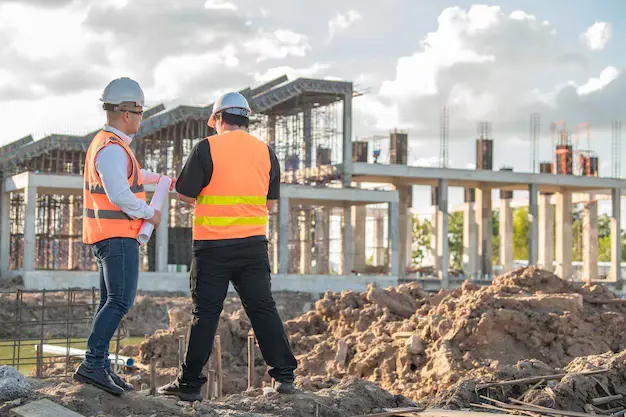
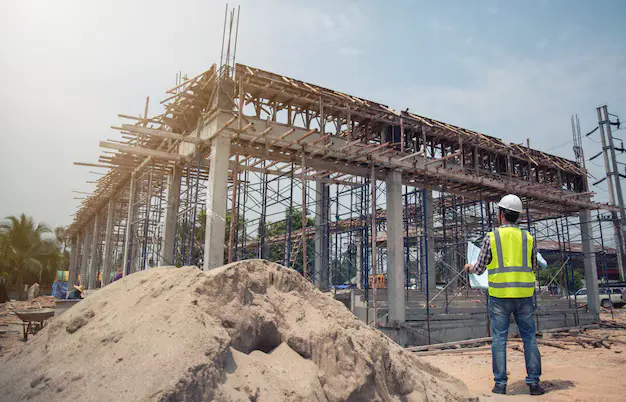
Construction projects across the United States face constant pressure.
Because of these challenges, accurate cost planning has become one of the most important steps before any construction work begins.
Many contractors, developers, and property owners start projects with rough budgets based on assumptions. This approach carries significant risk. A single inaccurate estimate can result in budget overruns, schedule delays, or even project failure.
This is where construction estimation companies play a critical role. Across the United States, many professional estimating firms now offer free consultations and early cost guidance. These services help clients understand potential costs before making major financial commitments.
This article explains how construction estimation companies in the U.S. support projects through free consultations and cost guidance. It also highlights why these services matter and how they help reduce risk before construction begins.
What Is a Material Takeoff in Construction?
A material takeoff is the process of calculating the exact quantities of materials required based on construction drawings and specifications. It forms the foundation of cost estimating, procurement, and project scheduling.
High-quality material takeoffs ensure
When quantities are calculated correctly, materials are neither under-ordered nor over-purchased. This leads to smoother operations, lower costs, and better project outcomes.
Why Material Takeoffs Matter in Construction Projects
Material takeoffs are essential because they support accurate cost estimates and financial control. Knowing the exact quantity of materials required allows project managers to plan purchases, manage cash flow, and reduce construction delays.
When contractors understand material needs early
Accurate takeoffs ensure the right materials arrive at the right time, helping projects stay on track and within budget.
The Construction Material Takeoff Process: Step-by-Step
A proper material takeoff follows a structured and methodical approach. Each step plays a critical role in maintaining accuracy and avoiding costly mistakes.
1. Review Construction Drawings Thoroughly
The first step is a detailed review of all construction documents. This includes architectural, structural, mechanical, and electrical drawings. These plans provide dimensions, material specifications, and design details.
Why it matters
Carefully reviewing drawings ensures no materials are overlooked. Even small omissions can lead to shortages, delays, or budget overruns.
2. Identify and List All Required Materials
After reviewing the drawings, the estimator identifies every material needed for the project. This includes major structural components such as concrete, steel, and framing, as well as minor items like fasteners, insulation, and wiring.
Why it matters
A complete material list reduces the risk of missing critical items that could interrupt construction.
3. Measure and Quantify Materials Accurately
Estimators then calculate quantities based on measurements from the drawings. This includes linear measurements, surface areas, and volumes, depending on the material type.
Digital takeoff tools or manual methods may be used, but accuracy is essential.
Why it matters
Under-ordering causes delays, while over-ordering increases waste and costs. Accurate quantities prevent both issues.
4. Prepare the Bill of Quantities (BOQ)
Once quantities are finalized, they are compiled into a Bill of Quantities (BOQ). The BOQ lists materials, quantities, and often estimated costs. It serves as a key reference for procurement and project planning.
Why it matters
The BOQ helps procurement teams schedule deliveries and manage purchasing efficiently. It also supports cost tracking throughout the project.
5. Verify and Confirm the Takeoff
Before finalizing the takeoff, estimators review all measurements and calculations. This may involve cross-checking drawings and coordinating with architects or engineers.
Why it matters
Verification reduces errors and prevents costly mistakes during construction.
6. Order Materials Based on Approved Takeoffs
With the takeoff confirmed, materials are ordered according to the BOQ. Procurement teams use this information to coordinate with suppliers and ensure timely delivery.
Why it matters
Proper ordering prevents job site delays caused by missing or late materials.
7. Monitor and Update Takeoffs During Construction
Construction projects often change due to design revisions, site conditions, or client requests. Material takeoffs must be updated to reflect these changes.
Why it matters
Regular updates keep material quantities accurate and prevent shortages or excess inventory.
8. Track Material Usage and Adjust as Needed
During construction, material usage should be monitored and compared against original estimates. Any discrepancies should be addressed promptly.
Why it matters
Tracking usage helps identify issues early and keeps the project efficient and cost-effective.
Manual vs. Digital Material Takeoffs
Traditional material takeoffs rely on manual measurements, spreadsheets, and calculators. While still used, this method is time-consuming and prone to errors—especially on large or complex projects.
Digital material takeoff software extracts quantities directly from electronic drawings. These tools significantly improve speed and accuracy while reducing human error.
When combined with Building Information Modeling (BIM) and project management software, digital takeoffs improve collaboration and overall project efficiency.
Best Tools and Technologies for Accurate Material Takeoffs
Many professional estimators use advanced software tools such as PlanSwift and Bluebeam to perform digital takeoffs. These platforms allow quick quantity extraction and easier cost management.
BIM and cloud-based systems further enhance accuracy by enabling real-time updates and team collaboration. These technologies provide greater transparency and improve coordination across all phases of construction.
Common Material Takeoff Mistakes to Avoid
One of the most common errors is misinterpreting construction drawings. Even small misunderstandings can result in incorrect material quantities, delays, and added costs.
Another frequent mistake is failing to update takeoffs when designs change. Outdated BOQs can lead to material shortages or overstocking, both of which disrupt schedules and budgets.
Key Factors That Affect Material Takeoff Accuracy
The quality of construction drawings directly impacts takeoff accuracy. Incomplete or unclear drawings increase the risk of errors and omissions.
Material type is also important. Different materials require different measurement methods. Estimators must apply the correct units and standards to ensure accurate results.
The Future of Material Takeoffs in the US Construction Industry
Advancements in artificial intelligence and automation are transforming material takeoffs. AI-powered tools can analyze drawings quickly and calculate quantities with greater precision.
BIM and digital twin technologies allow estimators to update quantities instantly as designs evolve. These innovations reduce turnaround time and improve accuracy, leading to faster and more cost-effective projects.
Final Thoughts
Accurate material takeoffs are essential for successful construction projects in the United States. They help reduce waste, prevent cost overruns, and improve overall efficiency.
By using digital tools, maintaining updated drawings, and following a structured takeoff process, contractors and homeowners can achieve smoother project execution.
As technology continues to evolve, material takeoffs will become even more precise—resulting in faster timelines, lower costs, and better project outcomes. With accurate material takeoffs, you can avoid common construction challenges and deliver successful projects with confidence.